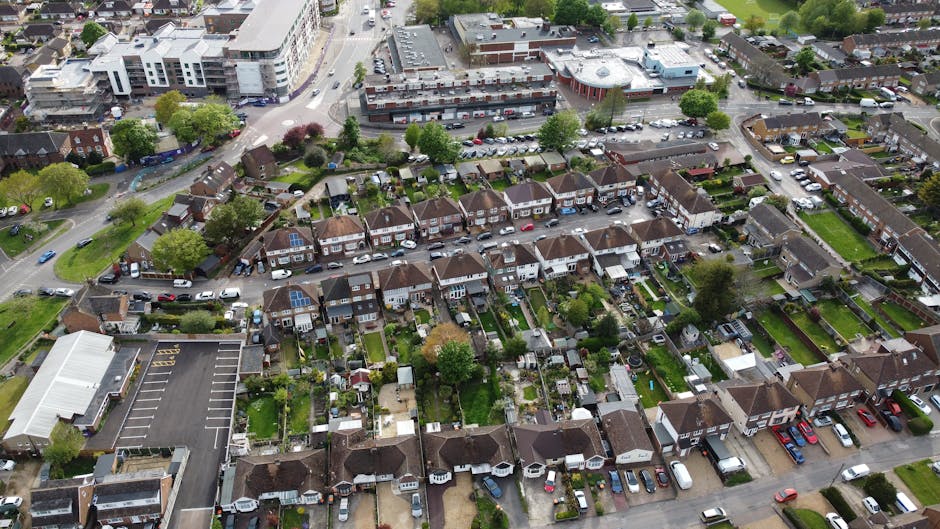
HA3 garden services guide for Northwick Park and homes

If you are looking after a garden in HA3, especially around Northwick Park and nearby homes, you already know it is rarely a blank canvas. You are dealing with a real outdoor space: maybe a compact front garden, a back plot that gets patchy shade, a lawn that never quite behaves, or a hedge that seems to grow faster than the rest of the street. This HA3 garden services guide for Northwick Park and homes is here to make the whole thing feel less guesswork and more manageable. We will cover what local garden services usually include, how to choose the right help, what to expect from a sensible maintenance plan, and where the common pitfalls tend to appear. Truth be told, a lot of garden stress comes from small issues left too long.
Whether you want a tidy weekly refresh, help with an overgrown boundary, or a bigger outdoor overhaul, the right approach can save time, money, and a fair bit of frustration. And yes, it can make the garden pleasant again, which is the point, after all.
Why HA3 garden services guide for Northwick Park and homes Matters
Gardens in and around Northwick Park often have to cope with the usual London mix: changing light, awkward access, neighbours close by, paving that gathers grime, and planting spaces that need to work hard in limited room. A professional garden service is not just about making things look neat for a weekend. It is about keeping the space functional, healthy, and easy to live with over time.
That matters because small garden jobs become bigger ones quickly. A lawn that is slightly tired in spring can turn into a weed-heavy patch by summer. A hedge that is "fine for now" can block light, affect privacy, and become much harder to shape later. A patio that needs a simple clean can become slippery or stained if left alone through winter. You know how it goes. One season slips into the next and suddenly the garden is asking for a full rescue.
For Northwick Park homes, the balance is often between practicality and presentation. People want outdoor space that feels tidy, usable, and calm, not overworked or overdesigned. That is why good garden services are useful: they keep the work proportionate to the space. Not everything needs a full redesign. Sometimes it just needs steady, competent care.
If your garden has become hard to manage, a sensible starting point is to compare service types and think in layers: basic maintenance, seasonal improvement, and larger project work. The range of support available through garden services can cover all three, depending on what your outdoor space needs most.
How HA3 garden services guide for Northwick Park and homes Works
In practical terms, a garden service normally starts with a look at condition, access, and priorities. That might mean checking the lawn, hedge lines, beds, paths, fences, trees, and any awkward corners where weeds like to settle in. A good assessment is not fancy. It is simply honest. What is overgrown, what is healthy, what is unsafe, and what will make the biggest difference first?
From there, the work is usually split into clear tasks. Common jobs include mowing, edging, hedge trimming, pruning, weed control, leaf clearance, border tidy-ups, and hard-surface cleaning. Some gardens also need more specialist work such as landscaping, tree surgery, or fence repairs. If there is a patio that has turned dull and green, a dedicated clean can lift the whole space quickly. If the lawn has thin patches and moss, then a broader lawn care approach tends to work better than a one-off mow.
It helps to think of garden care as maintenance rather than rescue unless the garden is genuinely neglected. Maintenance keeps everything steady. Rescue work, on the other hand, is where a garden has been left too long and needs to be cut back, cleared, rebalanced, and restored. That can still be done, of course. It just takes more effort and a more careful plan.
For many homes, a mixed approach is best. A regular maintenance visit handles the visible day-to-day problems, while occasional seasonal work tackles the bigger shifts. In autumn, for example, leaf fall and damp weather can change the whole feel of the garden. In spring, you may want more structure, better soil condition, and a fresh start. The clever part is matching the service to the season instead of waiting for the garden to complain loudly. And it will complain, eventually.
Key Benefits and Practical Advantages
There are obvious benefits to professional garden help, but the best ones are not always the most glamorous. Sure, a tidy lawn and crisp hedge line look great. But the practical wins are often even better.
- Less ongoing stress: regular help stops the garden from building up into a huge weekend chore.
- Better plant health: pruning, feeding, and timing work properly when done with care.
- Safer outdoor areas: cleared paths, trimmed growth, and clean surfaces reduce slips and trip risks.
- Improved kerb appeal: useful if you want the front of the house to look cared for without constant effort.
- More usable space: a garden that is maintained well tends to become a space you actually use.
- Longer-lasting features: good maintenance helps fencing, decking, paving, and borders stay in better condition.
There is also a subtle benefit that people underestimate: decision fatigue goes down. When a garden is neglected, every part of it starts asking for attention at once. Which hedge first? What about that patch of weeds? Should the patio be cleaned or replaced? A reliable service narrows the list and makes the next step obvious. That clarity matters more than people think.
For families, tenants, landlords, and busy homeowners, the practical result is usually the same. You get a space that feels looked after. Not perfect. Just properly managed. Which is usually enough, and often better than trying to do everything in one heroic Saturday.
Who This Is For and When It Makes Sense
This guide is for anyone in HA3 and Northwick Park who wants a garden that feels manageable rather than demanding. That could be a homeowner with a lawn that needs routine attention, a landlord keeping a property presentable between tenancies, or a family that wants a safer, cleaner outdoor area for everyday use.
It also makes sense if you are in one of these situations:
- You have moved into a property and the garden needs a reset.
- The hedge, shrubs, or borders have become too much to handle yourself.
- The patio or deck is looking tired and dull.
- The lawn is patchy, mossy, or difficult to keep even.
- You need seasonal help before winter or after a long spell of neglect.
- You simply do not have the time, tools, or physical energy for regular maintenance.
To be fair, not every garden needs a full service package. Some need one-off support. Some need monthly upkeep. Some need a one-time makeover plus light maintenance after that. The trick is knowing which situation you are in before booking work you do not actually need. That sounds obvious, but people get it wrong all the time.
If your main issue is a lawn that never looks right, a dedicated lawn care plan may make more sense than a general tidy. If the problem is a hedge line that is causing shade, privacy concerns, or visual clutter, then hedge trimming is the obvious place to start.
Step-by-Step Guidance
Here is a straightforward way to approach garden services without overcomplicating it.
- Walk the garden slowly. Do this in daylight and note what actually bothers you. Is it mess, safety, lack of privacy, poor plant health, or just the overall feeling of chaos?
- Separate the jobs. Put tasks into groups such as mowing, pruning, clearing, cleaning, repairs, and redesign. This stops every issue blurring into one giant headache.
- Prioritise the visible and the urgent. Overgrown access paths, unsafe branches, and slippery paving usually come before decorative changes.
- Decide whether you need maintenance or restoration. Maintenance is lighter and more regular; restoration is heavier and may involve cutting back, soil improvement, or structural changes.
- Check the condition of hard landscaping. If decking, fences, or patios are failing, tackle those before adding planting around them.
- Choose the right service mix. Some jobs sit neatly together, such as mowing plus weeding, or hedge trimming plus border tidy-up. Others need specialist attention, such as tree work or landscaping.
- Set a realistic schedule. Gardens in London usually respond best to steady care rather than dramatic, infrequent intervention.
- Review after the first visit. Ask what improved, what still needs attention, and what should be done next season.
A small but useful tip: take photos before the work begins. Not for drama. Just for reference. It helps you and the gardener see what changed, what was missed, and whether the plan actually worked. Sometimes the before-and-after contrast is more revealing than the memory of a messy space.
If the garden has been neglected for a while, you may find the biggest gains come from a structured reset. That kind of work pairs well with the ideas in garden revival tips, especially when the space needs a sensible order of operations rather than a random tidy.
Expert Tips for Better Results
Good garden outcomes usually come from timing, restraint, and a clear brief. Here are the things that make the biggest difference in practice.
- Cut less, more often. Especially with hedges and lawns. Gentle regular work tends to look better than hard resets every few months.
- Work with shade and sun. Northwick Park gardens may have awkward light changes depending on neighbouring buildings and boundary walls. Plant accordingly.
- Use the right finish for the space. A family garden, a low-maintenance courtyard, and a quiet ornamental space all need different treatment.
- Do not ignore soil. If plants keep failing, the problem may not be the plant at all. Compact, tired, or dry soil often needs attention first.
- Think seasonally. Spring and autumn are usually the most effective times to reshape, feed, and strengthen the garden.
- Keep borders under control. Clean edges make even simple planting look better. A messy edge can drag down the whole space.
One thing many homeowners forget: the garden should suit your life, not someone else's ideal version of a garden. If you want low-maintenance planting, say so. If you need room for children, pets, or outdoor seating, say that too. In our experience, the best results come when the brief is practical, not aspirational.
And if privacy matters, it is worth planning planting and trimming together rather than separately. A hedge can be a beautiful structure or a bulky problem, depending on how it is handled. The same goes for climbers and screening plants, which can be fantastic in the right place.
For more on living screens and boundary planting, the article on vigorous hedges for privacy is a useful companion read. If your garden has a shaded side or a wall that never gets much sun, evergreen climbers for shade can open up a few smart options.
Common Mistakes to Avoid
Most garden problems are not dramatic. They are accumulations of small mistakes. A few of the usual suspects:
- Waiting too long to start. The longer a hedge, lawn, or border is left, the more time and effort it takes to bring back under control.
- Mixing styles without a plan. Too many different textures or features can make a small HA3 garden feel busy and confused.
- Over-pruning. It is tempting to "get it all done" in one go, but heavy cuts can stress plants and leave bare gaps.
- Ignoring drainage or pooling water. A garden that stays wet in the same spots will keep causing the same problems.
- Choosing decorative fixes first. Pretty extras are lovely, but they do not solve weeds, weak soil, or unsafe paving.
- Assuming every service is the same. Mowing, lawn treatment, landscaping, and tree work all do very different jobs.
Let's face it, people often start with what they can see from the kitchen window. That is understandable. But a tidy view is not the same as a healthy garden. If you want lasting improvement, the hidden issues matter as much as the visible ones.
Another common mistake is trying to solve a structural garden problem with planting alone. If the boundaries are poor, or the layout does not work, no amount of flowers will fix that on their own. Sometimes the honest answer is a better layout, better access, or a proper hardscape refresh.
Tools, Resources and Recommendations
Even if you hire help, it is useful to know what good garden work usually relies on. You do not need a shed full of gear, but a few basics go a long way.
| Need | Typical tool or approach | Why it helps |
|---|---|---|
| Lawn upkeep | Mower, edging tools, scarifying or aeration where needed | Keeps grass even, healthier, and easier to manage |
| Hedge and shrub care | Shears, trimmers, secateurs | Helps shape growth without rough tearing |
| Weed control | Hand weeding, mulch, regular border checks | Prevents small infestations from spreading |
| Hard-surface cleaning | Pressure washing or appropriate surface cleaning methods | Lifts grime, algae, and slippery build-up |
| Soil improvement | Compost, organic matter, mulching | Supports stronger roots and better moisture retention |
If you are deciding where to invest first, think about what makes the biggest daily difference. For many homes, that is lawn care, weed control, and a clean patio. For others, it is hedges and boundary planting. A garden that feels enclosed and tidy can often be more relaxing than one with lots of isolated features.
You may also find the following useful depending on your goals: lawn mowing for neat, regular grass care; patio cleaning for slippery or tired paving; and landscaping if the layout itself needs a rethink. If trees are causing shade, crowding, or safety concerns, tree surgery may be the more appropriate route. For boundaries and security, fencing can make a surprisingly big difference.
Budget matters too. If you are trying to keep costs sensible, it is usually better to spread improvements over time than to do everything at once. A phased plan is often calmer on the wallet and kinder to the garden.
You can also read practical ideas on shaping outdoor spaces through welcoming seating strategies, which is handy if you want the garden to feel lived-in rather than merely maintained.
Law, Compliance, Standards, or Best Practice
For most domestic garden work, the most important thing is not obscure legislation but sensible UK best practice. That means working safely, disposing of waste properly, respecting boundaries, and handling tools and ladders with care. If a service involves chainsaws, higher-risk cutting, or work near structures, it should be approached carefully and by someone suitably experienced.
Homeowners should also think about shared responsibilities. Overhanging branches, boundary hedges, and access arrangements can become awkward if expectations are unclear. The cleanest approach is to agree what is being done, where waste will go, and what permission is needed before work begins.
When choosing a provider, look for clear pricing, sensible communication, and transparent policies around safety and payments. Pages such as health and safety policy, insurance and safety, payment and security, and terms and conditions are not exciting reading, admittedly, but they tell you a lot about how seriously a company takes its work.
Best practice also extends to communication. A good brief should cover access, timing, pets, parking, sensitive planting, and any areas that should be left alone. Small details matter. A lot. A simple note about a hidden tap, a loose paving stone, or a favourite shrub can prevent avoidable mistakes.
Options, Methods, or Comparison Table
Different gardens need different kinds of support. Here is a simple comparison to help you think clearly.
| Approach | Best for | Strengths | Limitations |
|---|---|---|---|
| One-off tidy-up | Overgrown or neglected gardens | Fast reset, immediate visual improvement | Needs follow-up to stay under control |
| Regular maintenance | Busy homes and rental properties | Predictable, efficient, keeps standards high | Less dramatic if the garden needs major change |
| Seasonal visits | Gardens that change a lot through the year | Targets key times like spring and autumn | Can miss mid-season weed or growth bursts |
| Project-based landscaping | Layout problems, tired features, or larger redesigns | Transforms the way the garden works | Usually more involved and longer-term |
| Specialist services | Trees, fences, patios, lawns, decking | Solves specific issues properly | May need more than one type of contractor or visit |
If you are unsure which route suits you, start with the question: what is the main problem I want solved in the next four weeks? That one question cuts through a lot of noise. If the answer is appearance, a tidy-up may be enough. If the answer is safety or access, you likely need a more structured plan.
Case Study or Real-World Example
A typical Northwick Park home might have a front lawn, a narrow side passage, and a back garden with a patio, one hedge boundary, and a couple of tired beds. Nothing dramatic. Just the sort of garden that quietly drifts out of shape while life gets busy. The owner might notice the lawn has become patchy, the hedge is leaning outward, and the patio is starting to look green after a wet spell.
In a case like that, the most effective response is usually not a full redesign. First comes a clear tidy-up: remove weeds, cut back the hedge, restore lawn edges, and clean the patio so the whole area feels brighter. Then the garden gets a second pass: soil improvements, light replanting in the beds, and a simple maintenance schedule. The result is not flashy, but it works. The space becomes easier to keep clean, easier to use, and far less draining to look after.
I have seen this kind of turnaround make a bigger difference than a lot of expensive decorative changes. A person steps outside on a Saturday morning, coffee in hand, and the garden does not feel like a chore list. That is a real win. Small, but real.
If the aim is to create something more calming and usable, a lot can be learned from zen garden themes and from thinking carefully about a family-friendly layout, especially if children or pets use the space. For households that want a more resilient border or seasonal cover, ground cover solutions can help fill gaps without creating lots of extra maintenance.
Practical Checklist
Use this quick checklist before booking work or planning your next visit.
- Identify the main issue: lawn, hedge, patio, trees, weeds, or full-garden decline.
- Decide whether you need a one-off service or regular maintenance.
- Check access, parking, and any narrow side passages.
- Note any pets, fragile planting, or areas to avoid.
- Take photos of current conditions for reference.
- Separate urgent work from cosmetic improvements.
- Ask whether the work includes clearance, disposal, and tidy finishing.
- Confirm whether specialist services are needed for trees, fencing, or landscaping.
- Review safety, payment, and terms before work starts.
- Set a follow-up date so the garden does not slip back too quickly.
If you like a more structured approach, it can help to keep a simple seasonal plan. Spring for renewal, summer for control, autumn for clearance, winter for protection. Very basic, but surprisingly effective.
Conclusion
A sensible garden services plan for HA3 homes in Northwick Park is not about perfection. It is about making the outdoor space work better for real life. That means choosing the right level of care, fixing the things that cause daily annoyance, and improving the garden in a way you can actually maintain. When the garden is balanced, everything else feels a bit lighter too.
Whether you need a quick tidy, routine mowing, hedge shaping, patio cleaning, or a more involved redesign, the smartest move is to start with the simplest fix that creates genuine relief. Then build from there. That is usually where the best gardens come from anyway: not overnight transformation, but steady, practical care.
Get a free quote today and see how much you can save.
And if you are still weighing things up, that is perfectly fine. A good garden takes thought, not panic. Start small, keep it steady, and let the space become useful again.
Frequently Asked Questions
What does a HA3 garden service usually include?
It usually includes a mix of mowing, edging, hedge trimming, weeding, pruning, leaf clearance, border tidy-ups, and sometimes patio cleaning or more specialist work if needed. The exact mix depends on the garden's condition.
How often should a garden in Northwick Park be maintained?
Many gardens do best with regular visits during the growing season, then lighter attention in colder months. Lawns and hedges often need the most frequent care, while beds and hard surfaces may be seasonal.
Is a one-off garden tidy enough, or do I need ongoing maintenance?
If the garden is mostly under control, a one-off tidy may be enough. If weeds, lawn issues, or hedge growth keep returning quickly, ongoing maintenance is usually more efficient and less stressful.
What is the difference between garden maintenance and landscaping?
Garden maintenance keeps an existing garden in good order. Landscaping changes the structure, layout, or features of the space. If the problem is how the garden works, landscaping may be the better choice.
Can garden services help with an overgrown hedge?
Yes. Hedge trimming is one of the most common jobs, especially where hedges are blocking light, affecting privacy, or growing out of shape. Careful trimming can make a very big difference.
What should I do before a gardener visits?
Clear access where possible, note any fragile areas, mention pets, and identify the priority jobs. A quick walk around the garden before the visit helps both sides avoid confusion.
Are patio and decking cleaning part of garden services?
Often, yes. Many outdoor care plans include hard-surface cleaning because clean paving or decking can transform the look and safety of the space very quickly.
How do I know if I need tree surgery rather than simple pruning?
If a tree is large, structurally awkward, close to a building, or causing safety concerns, specialist tree surgery may be more suitable than routine pruning. In uncertain cases, a proper assessment is wise.
Is lawn care different from lawn mowing?
Yes. Mowing keeps the grass tidy, while lawn care looks at health, thickness, weeds, moss, feeding, and recovery. If the lawn is patchy or tired, mowing alone will not solve it.
What are the most common mistakes people make with garden upkeep?
The big ones are waiting too long, over-pruning, ignoring soil, and trying to fix layout problems with planting alone. A steady plan usually beats a rushed overhaul.
How can I keep costs sensible without neglecting the garden?
Prioritise the areas that affect daily use most, such as mowing, weeds, hedges, and paths. Then phase in bigger improvements over time. That approach is usually calmer on both budget and maintenance.
Where can I learn more about making my garden easier to manage?
Useful topics to explore include beginner gardening tips, weed control, budget-friendly garden ideas, and strategies for creating family-friendly or pet-safe spaces. These all help you make better decisions for everyday use.
How do I get started if my garden feels a bit overwhelming?
Start with the one thing that annoys you most. Then move to the second thing. That sounds almost too simple, but honestly, it works. Small wins build momentum.