What to know about emergency gardener callouts in Kenton
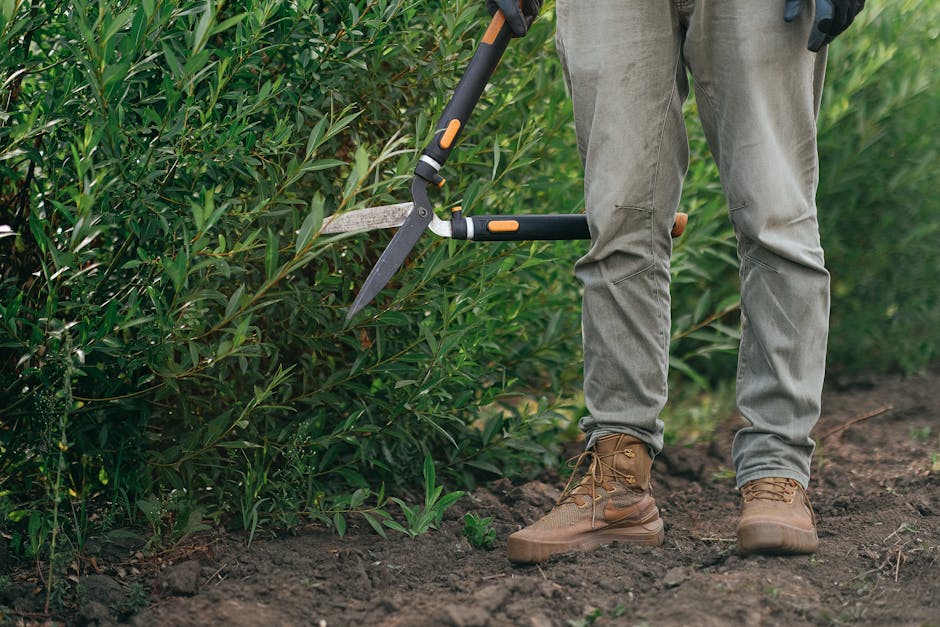
If your garden has suddenly turned from manageable to mayhem, you are not alone. Storm damage, a fallen branch, a blocked access path, an unsafe fence, or a broken sprinkler line can all push a normal weekend tidy-up into a proper emergency. Knowing what to know about emergency gardener callouts in Kenton helps you act quickly, avoid making things worse, and get the right help for the job. This guide explains how emergency callouts work, what they usually cover, when they make sense, and how to judge the difference between a fast fix and a job that needs specialist attention.
In practice, the best emergency response is calm, not rushed. A little clarity now can save you time, money, and a lot of stress later.
- Why emergency gardener callouts matter
- How an emergency callout works
- Key benefits and practical advantages
- Who needs this and when it makes sense
- Step-by-step guidance
- Expert tips for better results
- Common mistakes to avoid
- Tools, resources and recommendations
- Law, compliance and best practice
- Options and comparison table
- Case study or real-world example
- Practical checklist
- Conclusion
- Frequently asked questions
Why What to know about emergency gardener callouts in Kenton Matters
Emergency gardener callouts are about restoring safety, access, and control when a garden issue cannot wait. That might sound dramatic, but sometimes it really is. A branch can come down across a path after heavy wind, a hedge can collapse onto a neighbour's side, or overgrown planting can hide a trip hazard near steps or a driveway. In Kenton, where gardens range from compact town plots to larger family spaces, the timing of a response can matter just as much as the repair itself.
The reason this matters is simple: garden problems tend to spread. A loose fence panel becomes a bigger structural issue if another storm hits. A waterlogged patch can worsen if drainage is ignored. And what starts as a small access problem can become a genuine safety concern for children, pets, visitors, or anyone who uses the space daily.
There is also the emotional side, which people often underestimate. A garden is supposed to feel usable and, well, human. When it is blocked, messy, or unsafe, the whole property can feel off-kilter. If you are trying to restore order quickly, a professional response can make the difference between a short disruption and a week of hassle.
For many householders, this type of callout also connects with wider garden care decisions. A quick emergency tidy can reveal that ongoing upkeep is overdue, and that is not a failure. It is just useful information. You may decide to follow up with regular support such as garden maintenance or, if the issue is lawn-related, a more focused visit through lawn care.
How What to know about emergency gardener callouts in Kenton Works
An emergency gardener callout usually starts with a quick assessment over the phone or by message. The aim is to establish urgency, location, access, and what needs doing first. Good questions at this stage are practical ones: What happened? Is anyone at risk? Can the site be safely accessed? Is the damage contained, or is it still moving? Truth be told, a clear first description saves everyone time.
Once the issue is understood, the gardener or team will decide whether the matter is suitable for an emergency visit, needs specialist help, or can wait for a standard appointment. For example, general debris removal and urgent pruning may be suitable for a rapid garden callout, while complex tree work may be better handled through a dedicated service such as tree surgery.
Here is the usual flow:
- Initial contact: You explain the problem as clearly as you can.
- Triage: The provider checks urgency, safety, and likely equipment needs.
- Quote or estimate: Depending on the situation, you may get a rough estimate first.
- Dispatch: A gardener is sent out with the right tools.
- Make-safe work: The priority is to remove danger and stabilise the site.
- Follow-up plan: Any deeper restoration or ongoing work is scheduled next.
That "make-safe" phrase comes up a lot for a reason. Emergency garden work is often about stabilising conditions first. You may not get a perfect finish on day one, and that is fine. Better to have a clean, safe garden than a beautiful one that still has a branch dangling over the path.
Related services can often be added later if needed. For example, after storm damage has been cleared, the next logical step might be hedge trimming in Kenton or a broader tidy-up through gardening services.
Key Benefits and Practical Advantages
The biggest benefit of an emergency callout is speed, but that is only the start. A good response also reduces risk, protects property, and helps you avoid accidental damage from a hurried DIY attempt. Let's face it, when a fence has half-fallen onto a planting bed and the wind is still rattling through the garden, most people do not want a long project. They want sensible action.
- Fast safety restoration: Loose branches, unstable panels, or obstructed paths can be dealt with quickly.
- Less secondary damage: Acting early can stop problems spreading into lawns, patios, decking, or neighbouring boundaries.
- Better decision-making: A professional eye can distinguish between surface mess and a deeper issue.
- Reduced stress: A rapid response makes the situation feel manageable again.
- Cleaner handover: Emergency work can create a clear starting point for later maintenance or landscaping.
There is another quiet benefit: emergency gardeners usually see the garden in its raw state. That can reveal patterns you would otherwise miss. Perhaps the same corner floods after every downpour, or a hedge is overreaching because light has been cut off for years. The urgent job is one thing; the longer-term lesson is another.
If the issue has affected outdoor living areas, you may eventually want to restore usability with patio cleaning, decking services, or even landscaping once the immediate problem is under control.
Who This Is For and When It Makes Sense
Emergency gardener callouts are not only for dramatic storm scenes. They make sense for anyone whose garden issue affects safety, access, boundaries, or property use. If you are wondering whether your situation is serious enough, ask yourself a simple question: can this wait without causing more mess, more damage, or more risk?
This service is often suitable for:
- homeowners dealing with storm debris or fallen branches
- landlords needing quick outdoor safety fixes between tenancies
- families with blocked access routes or sharp debris
- older residents who cannot safely clear heavy garden waste themselves
- people preparing a property for visitors, inspection, or sale
- neighbours facing boundary issues where quick resolution matters
It is also useful if the emergency is not dramatic but still disruptive. A broken gate latch, an overgrown entrance, or a wind-lashed hedge can be enough to justify a rapid visit. In a narrow side return, for example, one fallen branch can make bins inaccessible or stop a delivery from getting through. Not glamorous, but very real.
Sometimes the best next step is not a one-off emergency job but a support plan. A garden that repeatedly gets overwhelmed by weather may benefit from more resilient planting, a better structure, or preventive works such as fencing or regular lawn mowing to keep the whole space easier to manage.
Step-by-Step Guidance
If you need an emergency gardener in Kenton, keep the process simple. The aim is to make the problem easy to assess and safe to attend. Here is a practical approach that works better than panicking and trying to clear everything yourself in five minutes flat.
- Check for immediate danger. If there is an unsafe tree, exposed wiring, flooding near electrics, or a serious injury risk, do not approach it. Keep people and pets clear.
- Take a few photos. They help explain the issue, support the quote process, and create a record of the damage.
- Clear only what is safe. Move lightweight items if you can do so without stretching, lifting heavily, or stepping into unstable ground.
- Contact the provider with specific details. Mention what happened, what area is affected, and whether access is straightforward.
- Ask what the first visit will include. Will it be a make-safe callout, debris removal, pruning, or a fuller restoration visit?
- Prepare access. If possible, unlock gates, make space for tools, and keep pets indoors.
- Confirm next steps. Emergency work is often followed by a second appointment for finishing or prevention.
A small but useful tip: if the issue involves trees, be precise. "A branch is down" is helpful. "The main trunk looks split and the tree is leaning" is much better. That kind of detail changes the response.
And if the job turns out to be more routine than urgent, that is okay too. A lot of people call in a panic and then realise the issue is largely cosmetic. Better safe than sorry. Honestly, that is a fine outcome.
Expert Tips for Better Results
From experience, the best emergency callouts happen when the customer gives clean information and avoids trying to solve the whole problem first. That sounds obvious, but people often spend an hour trimming, dragging, or lifting before calling, and then the real issue is harder to see. Sometimes less is more.
Here are the habits that tend to produce better results:
- Describe the problem in layers: What happened, what it affected, and what seems unstable.
- Prioritise safety over neatness: A tidy border can wait; a blocked path should not.
- Keep a realistic goal: Emergency work is about control, not perfection.
- Ask for the likely follow-up: It helps you budget and plan.
- Think seasonally: Winter and stormy periods often reveal weaknesses in hedges, boundaries, and drainage.
One practical observation: wet ground changes everything. What looks like a straightforward pruning job on a dry morning can become a slippery, unstable mess after rain. If the weather has turned, do not force the issue. A sensible delay is often the smarter move.
For homes exposed to wind, it can also be useful to read up on garden preparation topics such as mitigating the impact of strong winds in your garden and winter defence for protecting your garden from the elements. Those ideas can help reduce the odds of future callouts.
Common Mistakes to Avoid
Emergency jobs are where simple mistakes can become expensive quickly. Some are obvious; others are the sort of thing people only spot after the fact. You know how it goes.
- Trying to do unsafe clearance yourself: Heavy branches, unstable fencing, and slick surfaces can cause injury.
- Giving vague instructions: "It's a mess" is less useful than naming the hazard and the location.
- Assuming every problem is a gardening problem: Some situations need tree specialists or structural repair, not just a general tidy.
- Waiting too long: A small failure can become a bigger one after one more gust of wind.
- Expecting a perfect finish from an emergency visit: The first job is often stabilisation.
- Ignoring neighbour impact: If a boundary, hedge, or overhanging branch affects next door, it is worth addressing quickly and politely.
The most common one, to be fair, is underestimating the job. People think a couple of cuts and a bin bag will do it. Then the branch is heavier than expected, the soil is saturated, and the whole thing turns into a Saturday spent muttering under your breath.
If you need to avoid repeat issues, it may be worth improving the garden structure afterwards with services like landscaping or using advice from garden revival tips to reset neglected areas before they become problems again.
Tools, Resources and Recommendations
You do not need a garage full of professional kit to handle the first few minutes of a garden emergency. But having a small, sensible toolkit nearby can help you stay organised while waiting for help. The trick is using tools for assessment and light preparation, not heroics.
| Item | Why it helps | Use with care |
|---|---|---|
| Gloves | Protects hands from splinters, thorns, and rough debris | Still avoid lifting heavy or unstable objects |
| Secateurs | Useful for light trimming or removing small broken stems | Not for thick or load-bearing branches |
| Torch | Helps with early morning, evening, or shaded inspections | Don't work in poor light if the ground is unsafe |
| Rake or broom | Clears loose debris from paths and patios | Stop if debris is sharp, wet, or excessive |
| Bin bags or tubs | Keeps manageable waste together for removal | Avoid overfilling with heavy material |
For longer-term upkeep, a few helpful resources from the same site can keep your garden in better shape between visits. If the problem begins with overgrowth, hedge trimming in Kenton is often a sensible preventive measure. For broader support, garden maintenance gives you a steadier rhythm rather than waiting for things to tip over into an emergency.
Some readers also benefit from planning and budgeting tools. A page like pricing and quotes can help you understand how work may be scoped, while payment and security is useful if you want reassurance around the practical side of booking. Not exciting, perhaps, but very useful.
And if you like to shape your outdoor space before problems start, you may find the site's garden design articles helpful too, especially creating a beautiful garden on a budget or beginner gardening tips.
Law, Compliance, Standards, or Best Practice
For garden emergencies, legal and safety considerations are usually more practical than technical. You do not need to become a compliance expert overnight, but you should know the broad expectations. Good providers will work safely, avoid unnecessary damage, and be clear about what they can and cannot do on the day.
In the UK, reasonable garden work should follow common-sense safety practice: safe use of equipment, appropriate PPE, careful disposal of waste, and sensible handling of slippery ground, sharp tools, and unstable materials. If the task involves trees, height, boundary issues, or anything that might affect neighbours or public access, extra caution is wise. For certain tree jobs, a specialist approach is often the safer route.
It is also sensible to ask about insurance and safety arrangements before work starts, especially where heavy branches, broken fencing, or access issues are involved. A trustworthy provider should be comfortable discussing this in plain English. If that conversation feels oddly evasive, that is a signal in itself.
Useful trust-building pages on the site include insurance and safety, health and safety policy, and terms and conditions. These are not just formalities; they help set expectations before anyone turns up with tools and boots full of mud.
There is also a neighbourly side to compliance best practice. If the emergency affects shared boundaries, overhanging vegetation, or access routes, document the issue, communicate clearly, and avoid taking unilateral action that could create disagreement later. A calm conversation beats a row over a snapped fence panel, every time.
Options, Methods, or Comparison Table
Not every urgent garden problem needs the same response. Sometimes a quick tidy is enough. Sometimes you need proper emergency intervention. And sometimes the best decision is to wait until conditions improve. Here is a simple comparison to help you think it through.
| Approach | Best for | Pros | Limitations |
|---|---|---|---|
| DIY quick clear-up | Light debris, safe access, small tidy tasks | Fast, low cost, immediate action | Unsafe for heavy, sharp, or unstable material |
| Emergency gardener callout | Unsafe access, storm damage, urgent outdoor hazards | Rapid response, practical make-safe work, less stress | May not complete full restoration in one visit |
| Specialist tree or structural work | Large limbs, leaning trees, major boundary failure | Best fit for complex or high-risk issues | May take longer to arrange and may cost more |
| Scheduled maintenance visit | Overgrowth, repeat issues, seasonal reset | Better long-term control, easier to budget | Not suitable for immediate hazards |
The point is not to choose the "biggest" service. It is to choose the right one. That distinction saves people a surprising amount of money and hassle. A lot of emergency work starts with an ordinary gardening issue that just got out of hand after weather or neglect. No shame in that.
If the issue is mostly visual rather than dangerous, a planned service may be enough. But if access is blocked or materials are unstable, act as though safety comes first. Because it does.
Case Study or Real-World Example
Picture a windy evening in Kenton after a wet spell. A medium-sized hedge has leaned into a side path, a few broken stems are hanging loose, and a branch from a nearby tree has landed across the lawn. Nothing dramatic enough for a headline, but enough to stop the family using the garden safely.
The homeowner does the right thing. They avoid pulling at the branch, keep the children and dog indoors, and take a couple of photos from a safe distance. When the gardener arrives, the first job is to make the area safe: remove loose debris, clear the path, and assess whether the hedge needs immediate trimming or whether the damage is mostly surface-level.
In this sort of job, the emergency visit is only part one. Once the site is stable, the follow-up might include tidying the hedge, checking the boundary line, and planning a more resilient layout. If the garden has become difficult to manage in general, a broader reset through garden revival tips can help the owner move from firefighting to proper maintenance.
That is the real value of an emergency callout: it buys back control. Not perfect control, just enough to breathe again and see the next sensible step. And honestly, sometimes that is exactly what people need.
Practical Checklist
Use this quick checklist before and during an emergency gardener callout. It keeps the situation organised when everything else feels a bit chaotic.
- Confirm there is no immediate danger to people or pets.
- Keep children and animals away from unstable areas.
- Take safe, clear photos of the issue.
- Note the time the damage was discovered.
- Describe the location precisely, especially if access is tight.
- Identify anything that might need specialist attention, such as large trees.
- Prepare gates or access points if it is safe to do so.
- Ask whether the first visit is a make-safe job or a full repair.
- Confirm whether waste removal is included or separate.
- Plan the follow-up once the immediate hazard is gone.
Expert summary: emergency gardener callouts are most effective when they are treated as a safety-first service, not just a rushed tidy. Share clear details, expect practical stabilisation first, and use the visit as a springboard for better long-term garden care.
Conclusion
Emergency gardener callouts in Kenton are about restoring calm when your outdoor space suddenly stops behaving like a garden and starts behaving like a hazard. The best outcome is not always a perfect finish on the day. It is a safe, sensible, well-managed response that prevents the problem from getting worse. If you remember nothing else, remember this: act early, describe the issue clearly, and choose the right kind of help for the job.
Once the urgent part is handled, you can step back and decide what the garden needs next - maintenance, pruning, fencing, better drainage, or a proper redesign. That is how a messy moment becomes a reset, not a setback. And that feels a lot better on a grey Kenton afternoon with the wind still moving through the trees.
Get a free quote today and see how much you can save.
Frequently Asked Questions
What counts as an emergency gardener callout?
An emergency gardener callout is usually any urgent garden job that affects safety, access, or property protection. Common examples include fallen branches, blocked paths, unstable fencing, and severe storm debris.
How quickly can an emergency gardener arrive in Kenton?
Response times vary depending on demand, weather, and the nature of the job. A clear, urgent description helps the provider decide whether the issue needs immediate attention or can be scheduled the same day.
Do emergency callouts cost more than normal garden visits?
They often can, because urgent work may involve faster response, out-of-hours scheduling, or higher-risk tasks. The exact cost depends on the scale of the issue and the time needed to make the area safe.
Should I clear the garden before the gardener arrives?
Only if it is safe. Move light items if you can do so without lifting heavy debris or stepping into unstable ground. Leave dangerous branches, sharp fragments, and slippery areas alone.
What if the issue is a tree rather than a general garden problem?
If the concern involves a large limb, a leaning tree, or something structurally unstable, a specialist approach may be more appropriate. A general gardener can help assess the site, but complex tree work may need dedicated attention.
Can emergency gardeners handle fence damage?
Yes, if the issue is mainly about making the boundary safe or stable. A full replacement may need a separate visit, but emergency support can often stop the problem worsening in the meantime.
What details should I give when booking?
Say what happened, what area is affected, whether anyone is at risk, and whether access is easy or restricted. Photos are helpful if you can send them safely.
Is it worth calling for a garden problem that is not dramatic?
Sometimes yes. A blocked path, heavy overgrowth near steps, or a loose panel may not look dramatic, but they can still create a real hazard or become worse very quickly.
Will the emergency visit fix everything in one go?
Not always. The first priority is usually to make the area safe and workable. Follow-up work may be needed for tidying, replacement, pruning, or redesign.
How do I reduce the chance of needing another emergency callout?
Regular upkeep helps a lot. Keep hedges trimmed, check fences before storm season, clear paths, and plan seasonal maintenance so small issues do not snowball.
What should I ask before agreeing to the work?
Ask what the callout includes, whether waste removal is covered, whether the job is make-safe or full repair, and whether any part of the work needs specialist handling.
Where can I learn more about ongoing garden care?
If you want to move from urgent fixes to a more stable routine, pages on garden maintenance, lawn care, and about the team can help you understand the broader service approach.