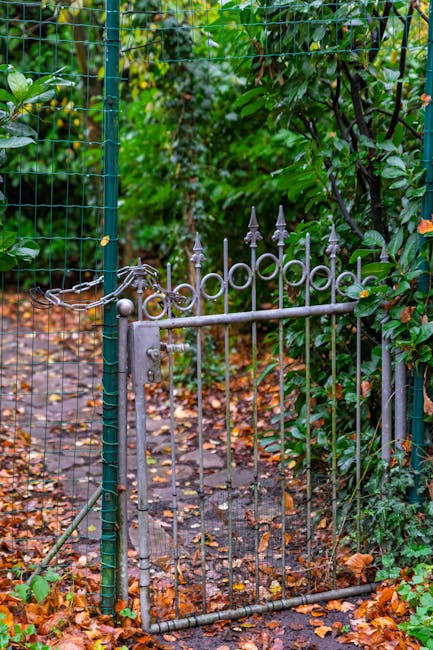
Common problems with Kenton garden access and how gardeners help
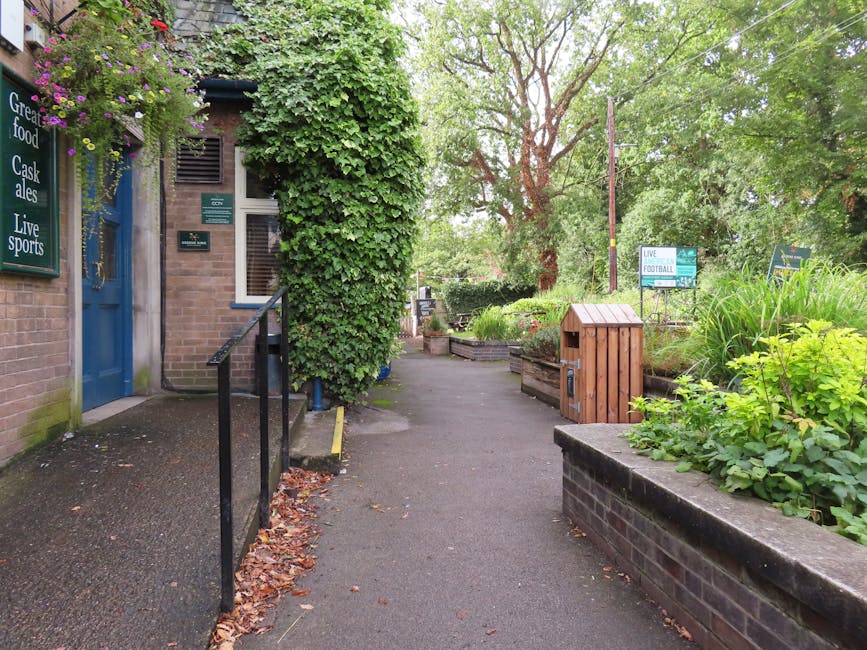
If you have ever tried to get a mower, bags of soil, or even a ladder through a tight side passage and thought, "Well, this is going to be interesting," you are not alone. Common problems with Kenton garden access and how gardeners help come up all the time, especially where older properties, shared walkways, awkward gates, steep steps, or simply a cluttered route make routine garden work harder than it should be.
The good news? Access issues are usually manageable with the right approach. A skilled gardener does far more than just turn up with tools. They assess entry points, plan the job properly, protect surfaces, move materials safely, and adapt the work so the garden gets done without damage, stress, or endless back-and-forth. In Kenton, where homes can vary quite a bit in layout, that practical know-how makes a real difference.
This article explains the most common access problems, how gardeners deal with them, what to expect, and how to make life easier before a team arrives. Straightforward, no nonsense. Just useful guidance that helps you decide what to do next.
Why Common problems with Kenton garden access and how gardeners help Matters
Garden access sounds like a small detail until it becomes the thing that slows everything down. A narrow gate, a steep drop, or a long walk from the front to the back can turn a simple hedge trim into a half-day logistics exercise. That matters because time, labour, and safety all change when access is awkward.
For many Kenton properties, the issue is not the garden itself. It is how you reach it. You might be dealing with shared entrances, compact side returns, rear access only, or a route that winds around the house and over old paving. In wet weather, that can get slippery too, which is never ideal when carrying tools or wheelbarrows. Not glamorous, but very real.
Good access planning helps prevent crushed borders, scuffed walls, damaged fences, and tired gardeners doing repeated trips with heavy waste. It also improves the final result. When a team can move efficiently, they spend more energy on the actual gardening: cutting cleanly, clearing properly, and leaving the space neat.
If you are considering broader work as well, such as garden maintenance or a bigger tidy-up through garden clearance, access becomes even more important. The more material that has to move in and out, the more useful it is to think ahead.
Expert summary: access problems are rarely a reason to postpone garden work altogether. They are usually a reason to plan it better, use the right tools, and choose methods that suit the property rather than forcing a standard approach onto an awkward layout.
How Common problems with Kenton garden access and how gardeners help Works
A professional gardener normally starts by understanding the route, not just the job. That means looking at where people and tools will enter, how waste will leave, and whether there are obstacles such as steps, locked gates, parked cars, or overgrown paths. Simple enough in theory, though in practice there is often one annoying detail that changes the whole day.
Here is how it typically works when access is a concern:
- Initial review: The gardener asks about gates, path width, parking, and any known restrictions.
- On-site assessment: They check the garden approach, surface condition, and where equipment can be stored safely.
- Method planning: The team chooses suitable tools, bag sizes, and waste-handling methods.
- Protection measures: Fragile surfaces, narrow routes, and door thresholds may be covered or protected.
- Work execution: Tasks are split into manageable stages so movement in and out is smooth.
- Waste removal and tidy-up: Green waste, clippings, and debris are cleared without blocking access longer than necessary.
In Kenton, the practical trick is often reducing friction. Smaller tools instead of oversized ones. More trips, but shorter and safer ones. Lightweight bags rather than overstuffed sacks. Sometimes it is the boring solution that saves the day. A gardener who understands this will adapt without fuss.
Access challenges can also affect which service is best. For example, a small enclosed courtyard may suit detailed hand work and patio cleaning, while an overgrown rear garden with limited entry may need staged hedge trimming and clearing before anything else makes sense.
Key Benefits and Practical Advantages
Dealing with garden access properly is not just about avoiding inconvenience. It changes the quality of the whole job. Here are the main benefits people tend to notice.
- Less risk of damage: Narrow entrances and awkward corners can damage walls, plants, fences, and paving if handled carelessly.
- Safer working conditions: Clear routes reduce slips, trips, and strain from carrying heavy loads the wrong way.
- Better use of time: Less time battling access means more time on the actual garden work.
- Cleaner results: Waste is removed more tidily, and the garden is left in a better state.
- Lower stress for the homeowner: You are not left trying to solve access problems on the morning of the job. Always a relief.
There is another benefit that people sometimes overlook: confidence. If you know the team has already thought through the route in and out, you can stop worrying about awkward moments, like a barrow stuck in a narrow passage or a pile of cuttings blocking the back door. That peace of mind counts for a lot.
For larger jobs that include reworking the layout itself, access planning can also support future improvements. If a garden is being reshaped through landscaping or landscape gardening, the team can think ahead about paths, storage, and movement so the finished garden is easier to manage.
Who This Is For and When It Makes Sense
This topic matters to a wider group than you might expect. It is not just for people with obviously tiny gardens. Access issues can affect all sorts of properties and situations.
- Homeowners with side access: especially where gates are narrow or paths are uneven.
- Landlords and letting agents: where gardens need to be kept presentable between tenancies.
- Elderly homeowners: if moving waste or equipment is simply too physically demanding.
- Busy families: when the garden needs attention but no one has time to manage the logistics.
- Properties with mature planting: because dense growth often narrows access over time.
- Homes with shared entrances: where timing, courtesy, and careful movement really matter.
It also makes sense whenever you are booking something more than a quick tidy. The more intensive the task, the more access becomes a deciding factor. A lawn cut is one thing. A full cut-back, waste removal, and edging run through a long wet path is another matter entirely.
Truth be told, many people only realise there is an access issue after they try to do the job themselves. That is usually when the bags start getting heavier and the gate feels half an inch too narrow. Been there, done that, regretted it.
Step-by-Step Guidance
If you want the work to go smoothly, here is a sensible way to prepare. Nothing fancy. Just the practical bits that make a difference.
1. Walk the route before the team arrives
Check the path from street to garden. Look for bins, bikes, loose slabs, low branches, muddy spots, and anything that could catch a wheelbarrow or trip someone carrying tools. If you would not want to walk it with a full sack of cuttings in both hands, the gardener probably will not either.
2. Measure obvious bottlenecks
Gate width, doorway clearance, and step height all matter. You do not need technical precision, but a rough idea helps. If a mower or larger tool will not fit, say so early. That saves everyone time and prevents the awkward "we'll just see on the day" approach, which, let's face it, rarely helps.
3. Clear the route
Move toys, pots, washing lines, and anything fragile out of the way. Even a tidy route can feel cramped if there are objects propped against a fence or leaning into the passage.
4. Share any quirks in advance
Tell the gardener about low lighting, a sticky latch, neighbours' access concerns, a dog gate, or a surface that becomes slippery when wet. Small details save big headaches later.
5. Match the service to the access
If the garden is heavily overgrown, access may need to be improved before more detailed work can happen. In that case, a first visit might focus on clearance, then a later visit on shaping and upkeep. Services such as gardening services are often easier to stage this way.
6. Agree on waste handling
Ask how clippings, branches, and soil will be moved. In a tight garden, waste bags may need to be carried out in smaller loads. That is normal. Better a few extra trips than a ripped bag and a trail of leaves down the path.
Expert Tips for Better Results
After enough garden jobs, a few patterns become obvious. The cleanest results usually come from calm preparation, not heroic effort.
- Use the smallest practical tool for the job. A compact mower or hand tools can be better than forcing in something larger.
- Protect the route first. A bit of planning around paving, thresholds, and edges can prevent scratches and black marks.
- Work from the furthest point back. That keeps the exit path clearer for longer.
- Break waste into manageable loads. It is slower on paper, but often faster in real life because nothing jams or spills.
- Do the access-heavy jobs in daylight if you can. Early morning can be good too, before the garden gets busy or the weather turns.
- Be honest about limitations. If a route is genuinely too tight for a machine, say so and adapt the method. Simple, really.
For boundary-related access issues, a garden may also benefit from fence repairs or replacement. A sagging fence panel, a broken gate, or a leaning post can make daily access worse than it needs to be. In those cases, fencing work can improve both security and usability.
And if tree growth is blocking routes or creating overhead risk, specialist help may be more appropriate. For heavier pruning or removal, gardeners may suggest tree surgery or tree lopping and removal depending on the situation and the level of work needed.
Common Mistakes to Avoid
Most access problems are manageable, but a few avoidable mistakes can make them much harder than necessary.
- Leaving the route until the day of the job: a quick tidy beforehand helps more than people think.
- Assuming every tool will fit: large equipment may be brilliant in an open garden and useless in a narrow one.
- Not mentioning shared access: if the route passes another property or communal space, that matters.
- Forgetting about wet weather: a path that looks fine in the dry can become awkward in rain.
- Overlooking waste volume: a small garden can still produce a lot of cuttings when it is overgrown.
- Expecting access issues to sort themselves out: they rarely do. Garden gates are not known for spontaneous improvement.
Another common one is trying to push through with a standard approach because it seems simpler. In reality, adapting the method early is usually cheaper and less frustrating. A good gardener will not be offended by practical limitations; they work around them all the time.
Tools, Resources and Recommendations
You do not need special equipment at home to prepare, but a few simple items can help.
- Measuring tape: useful for checking gate widths and passage clearance.
- Outdoor gloves: handy if you are moving sharp or dirty items before the job.
- Tarpaulins or sheets: can help protect paths or collect small amounts of debris during clearance.
- Wheelbarrow or small garden cart: useful if the route can accommodate it.
- Bright lighting: especially helpful in shaded side passages or early morning starts.
From a service perspective, it helps to choose work that matches the property condition. A garden with overgrown edges may need clearing before it can be maintained properly. A lawn that is patchy, compacted, or difficult to reach may need a specific lawn care plan rather than a quick cut. If the route to the lawn is part of the problem, that should be factored in too.
For patios and hard surfaces, access can be about more than movement. Slippery algae, dirt build-up, and tight corners all affect how safely a team can work. That is where patio cleaning can be a surprisingly useful supporting service, because a cleaner route is often a safer route.
Law, Compliance, Standards and Best Practice
Access work in gardens is usually guided by common-sense safety practice and the normal duties that apply to home and trade work in the UK. You do not need a law degree to get this right. What matters is using a careful, sensible process.
Gardeners should typically think about safe manual handling, trip hazards, secure tool storage, and avoiding damage to the property or neighbouring spaces. If there are shared paths, narrow exits, or poor surfaces, a cautious approach is usually expected. For professional work, it is also normal to check insurance and safety arrangements before starting. That is not being fussy. It is basic professionalism.
Good contractors will also be clear about payment terms, scope, and responsibilities. If you are booking work that depends on difficult access, it is sensible to read the service terms carefully and make sure the details are understood in advance. The same goes for privacy and communication preferences. If you want to understand the business side more fully, pages like pricing and quotes, payment and security, and insurance and safety are useful places to start.
There is also a trust element. Clear policies on service standards, health and safety, accessibility, recycling, and complaints show that a company is thinking beyond the quick job. You may never need the complaints process, which is ideal, but it is reassuring to know it exists. If sustainability matters to you, it is worth checking recycling and sustainability too, especially when a project produces a lot of green waste.
Options, Methods, or Comparison Table
There is no single "right" way to handle access problems. The best method depends on the size of the garden, the layout, and the amount of work involved. Here is a simple comparison.
| Approach | Best for | Pros | Trade-offs |
|---|---|---|---|
| Standard machine access | Wide gates, level paths, open routes | Fast, efficient, less manual carrying | Not suitable for tight or awkward layouts |
| Small-tool, hand-carry method | Narrow passages, enclosed gardens, shared entrances | Flexible, safer in tight spaces | Takes more time and more trips |
| Staged clearance first | Overgrown or blocked access | Creates working room before detailed tasks | May require more than one visit |
| Access improvement plus garden work | Broken gates, poor paths, dense boundary growth | Solves the root problem and helps future maintenance | Can involve more planning and a broader scope |
For some gardens, the smartest solution is a combination. A little clearance, a little trimming, maybe a path cleaned up, then the main maintenance work. That layered approach often gets better results than trying to do everything at once.
Case Study or Real-World Example
Here is a realistic example. A Kenton homeowner has a modest rear garden, but the side access is tight, the gate sticks slightly, and the paving narrows near the bins. The garden itself is not enormous, yet the back border has become overgrown and the lawn needs attention. On a dry day, the route is just about passable. After rain, it becomes slippery and a bit awkward.
A sensible gardener would not force oversized kit through the passage. Instead, they might begin with hand tools, clear the overgrowth nearest the access route, and remove waste in smaller bags. Once space is freed up, the team can move to the lawn and borders more comfortably. If the gate needs attention, they may flag that separately, because a smoother access point will help every future visit.
The result is better than a rushed approach. Less mess, less damage, and a garden that is easier to maintain next time. It sounds simple because, really, it is. But done well, it makes the whole property feel calmer and more usable.
That is the quiet value here: not just getting the job done, but making the next job easier too.
Practical Checklist
Use this before your gardener arrives, especially if access is likely to be tricky.
- Walk the route from street to garden
- Remove bins, toys, bikes, and loose items
- Check for muddy patches, uneven paving, or steps
- Measure gate width if space is tight
- Tell the gardener about shared access or neighbour concerns
- Share any known sticking points, locks, or low branches
- Ask how waste will be removed
- Confirm whether any surfaces need protecting
- Let the team know about pets or children using the route
- Decide whether the work should be staged over more than one visit
If you can tick most of those off, you are already ahead of the game. Not every garden needs a grand plan. Sometimes a clean route and a clear brief are enough.
Conclusion
Access issues are one of the most common reasons garden jobs feel harder than they should. Tight gates, awkward side passages, slippery paths, and overgrown routes can all slow the work and increase the chance of damage or delays. But with thoughtful planning, the right tools, and a gardener who understands how to adapt, these problems are usually very manageable.
The main takeaway is simple: do not treat garden access as an afterthought. It is part of the job. When it is handled well, the garden gets better results, the process feels smoother, and you are far less likely to end up with broken plants, scratched paving, or a frustrated afternoon. A little preparation goes a long way.
If your Kenton garden has an awkward entrance, narrow side access, or a route that just never seems practical, the right help can make all the difference. Small adjustments now often save a lot of hassle later. And that, to be fair, is exactly what good gardening support should do.
Get a free quote today and see how much you can save.
Frequently Asked Questions
What are the most common garden access problems in Kenton?
The most common issues are narrow gates, shared side access, uneven paving, steps, overgrown paths, and long carry distances from the front of the property to the garden. Wet or shaded routes can add another layer of difficulty.
Can gardeners work in a garden with very tight access?
Usually, yes. They may need smaller tools, more manual carrying, or a different approach to waste removal. In some cases, the job is split into stages so access can be improved before the main work begins.
Do I need to clear the route before the gardener arrives?
It helps a lot. Moving bins, bikes, toys, and loose items makes the route safer and faster to use. Even if the gardener can help with some clearing, a tidy path on arrival is a big advantage.
Will difficult access make garden work more expensive?
It can, depending on the extra time, labour, or equipment needed. That said, not every awkward garden automatically costs more. The best way to know is to ask for a quote based on the actual layout and the work required.
What if my garden can only be reached through a narrow side passage?
That is very common. A gardener may use smaller equipment, carry materials in lighter loads, and protect surfaces along the route. Narrow access is often workable if the job is planned properly.
How do gardeners protect my paving and walls?
They may use careful carrying methods, smaller loads, route protection, and better positioning of tools and bags. The exact method depends on the surface type and how tight the access is.
Should I mention access problems when booking?
Yes, definitely. The earlier you mention gates, steps, shared entries, or heavy overgrowth, the easier it is to plan the job correctly. It saves time on the day and avoids surprises.
What kind of jobs are most affected by poor access?
Jobs that involve lots of waste, large tools, or repeated trips are most affected. That includes garden clearance, hedge trimming, some lawn work, and any project that needs a lot of material moved in or out.
Can access issues be improved as part of the garden work?
Often they can. Clearing overgrowth, adjusting boundary planting, cleaning hard surfaces, or repairing a gate can all make access easier. Sometimes it is worth combining practical maintenance with access improvements.
How can I tell if a gardener is used to awkward access?
They will usually ask the right questions: gate width, route condition, parking, waste removal, and any shared access concerns. If they sound calm and specific rather than vague, that is a good sign.
What should I do if the route becomes slippery in wet weather?
Let the gardener know in advance and, if possible, choose a drier day or a safer starting time. A slippery passage is not something to ignore, especially when tools and waste bags are being moved repeatedly.
Is it worth booking a maintenance plan if access is awkward?
Yes, it can be. Regular upkeep reduces the amount of overgrowth and waste each visit, which makes access easier over time. A little and often approach is usually kinder to tight gardens than one huge clear-out every few months.
What if I am not sure whether my garden access is too difficult?
Describe the layout honestly and share a few photos if you can. Most access issues are easier to judge from a clear explanation than from guesswork. If in doubt, ask for advice before the work starts.